
LIsa Black
Cape Coral, FL
Female, 49


I spent the five happiest years of my life in a morgue. As a forensic scientist in the Cleveland coroner’s office I analyzed gunshot residue on hands and clothing, hairs, fibers, paint, glass, DNA, blood and many other forms of trace evidence, as well as crime scenes. Now I'm a certified latent print examiner and CSI for a police department in Florida. I also write a series of forensic suspense novels, turning the day job into fiction. My books have been translated into six languages.
I don’t interview suspects—or victims or witnesses.That’s the detective’s job. I’m there to analyze and collect evidence.
Share Answer: 

Basically just use a sterile swab, rub it on the inside of the cheeks, and package it with a desiccant or in a paper envelope that would allow a little bit of air flow (not plastic). As long as it’s not soaked in someone else’s DNA or bleach or something, it’s pretty foolproof.
Share Answer: 
It hasn’t changed. In general it’s best to process an item at the scene so that handling and possible smudging is kept to a minimum, but it depends on many circumstances. If there isn’t a clean dry place to do it or if the person at the scene doesn’t feel their expertise is adequate for the particular item or mostly if the item needs other processing than the simple black powder or mag powder. If it’s a porous item like plastic or vinyl or paper and might need to be superglued or sprayed with dye, then it should be transported to the lab.
Share Answer: 
I”m sorry but I have no idea.
Share Answer: 
Programmer
 What lessons can you share about past and present start-ups you've worked with?
Yoga Instructor
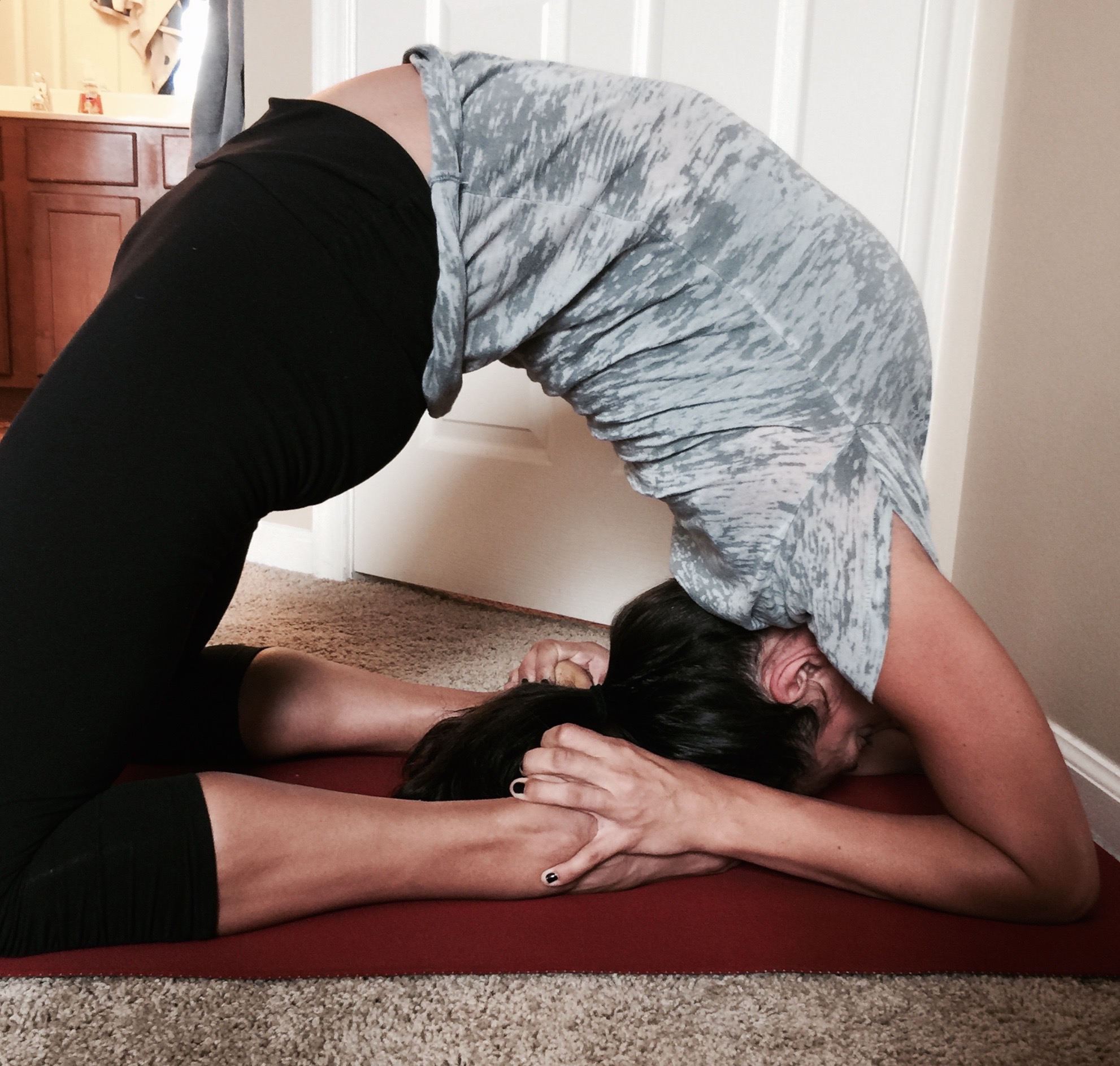 Why don’t more men do yoga?
Dry Cleaner
 Why don't more dry cleaners stay open late?
Usually they’ll tell me the basics, what seems to have happened—there’s a body in the bedroom, this car hit that car, the homeowners came home to a broken front window and are missing jewelry from one bedroom but nothing else. Usually it’s everything they know, in general, but mostly what’s relevant to me. I don’t need to know the whereabouts and timeline for every suspect, but I need to know when the victim was seen last, when the neighbor heard shots, that the gun was removed from the scene for security (which we frown on, but if it’s necessary then it’s necessary), that the one bedroom door is closed because there’s a large dog in there so don’t open it. If there’s anything else I want to know I’ll ask, but usually then they leave me alone to do my thing. Hope that helps!
Share Answer: 
As absolutely no agency I've ever heard of requires an IQ test for hire, I would have no idea.
Share Answer: 
I don’t know any more about it than you do.
Share Answer: 
-OR-
 Login with Facebook
 (max 20 characters - letters, numbers, and underscores only. Note that your username is private, and you have the option to choose an alias when asking questions or hosting a Q&A.)
(A valid e-mail address is required. Your e-mail will not be shared with anyone.)
(min 5 characters)
By checking this box, you acknowledge that you have read and agree to Jobstr.com’s Terms and Privacy Policy.
-OR-
Register with Facebook(Don't worry: you'll be able to choose an alias when asking questions or hosting a Q&A.)



 Browse Jobs
 Host a Q&A
 Search

 Submit Your Question
 Host a Q&A
 Last 7

